Cyber-waste
A script written and recorded for a film commissioned
by PostRational as part of a project on ‘Cyber-Waste’
as a response to the topic, ‘Dissecting Technocapitalism’,
mentored by Evgeny Morozov, for Forecast 2020.
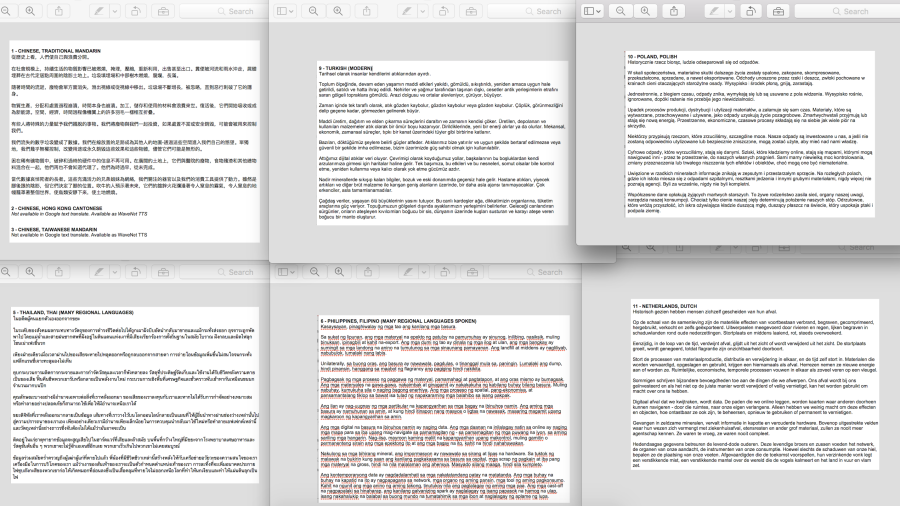
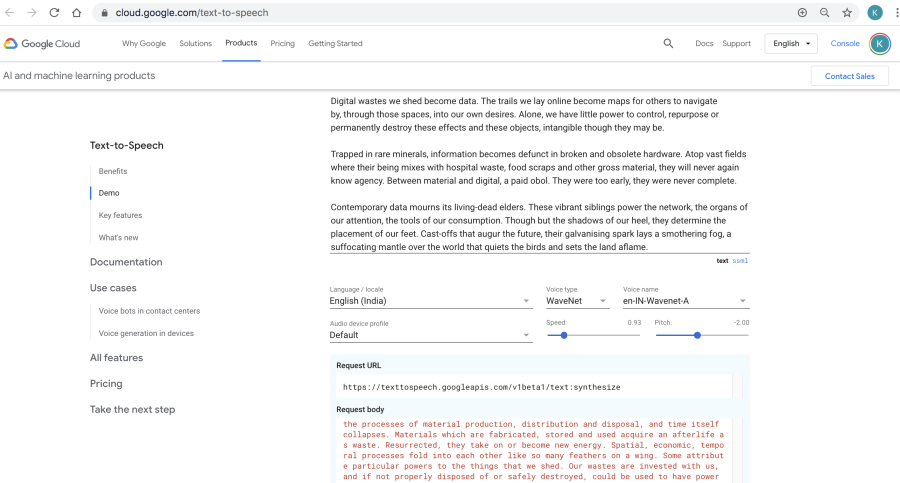
The script was voiced by Google WaveNet, a deep neural
algorthim for text-to-speech audio.
Read the research paper on it here.
PostRational was founded by
Dan Gavshon-Kirkbride and James Pockson.
Film was shot and edited by Justin Bean.
View the project website here.
|
Historically, people have separated themselves from their waste.
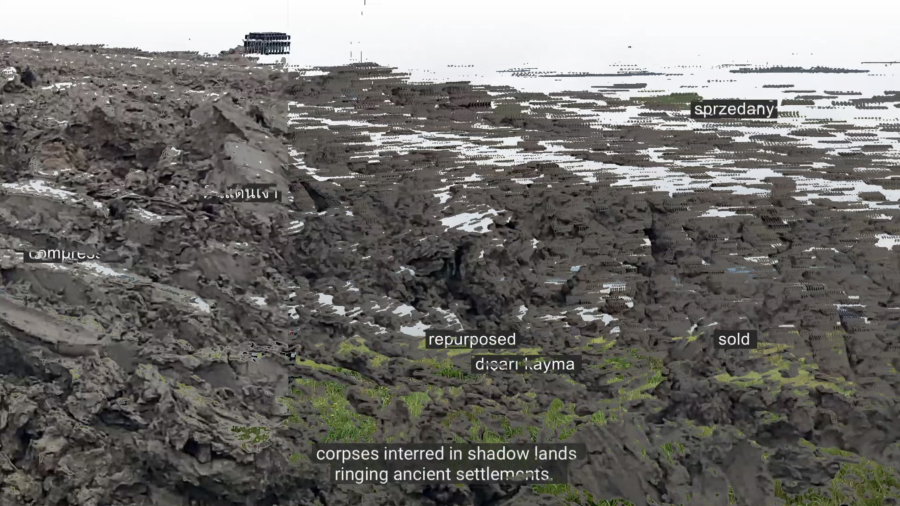
On the scale of the society, the material effects of continued living have been burnt, buried, compressed, repurposed, sold and even exported. Faeces carried away by rivers and rain, corpses interred in shadow lands ringing ancient settlements. Landfill and middens blazing, rotting, growing overgrown.
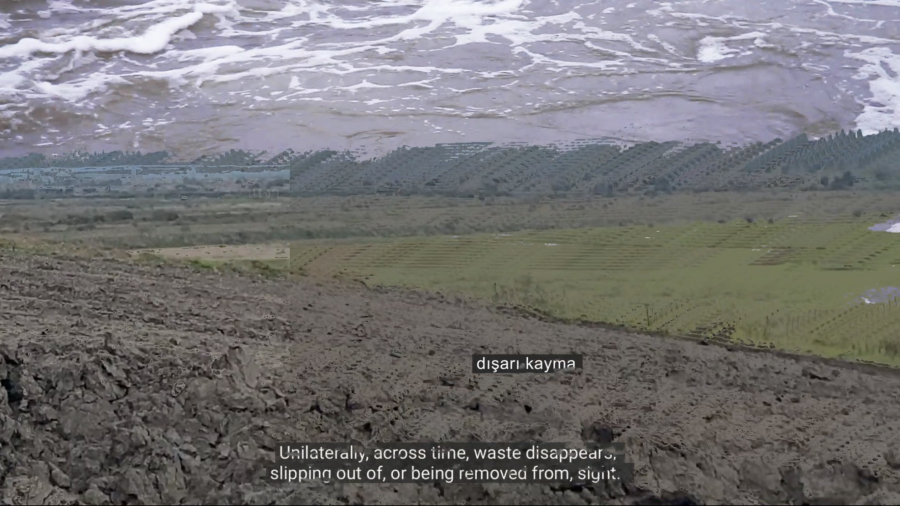
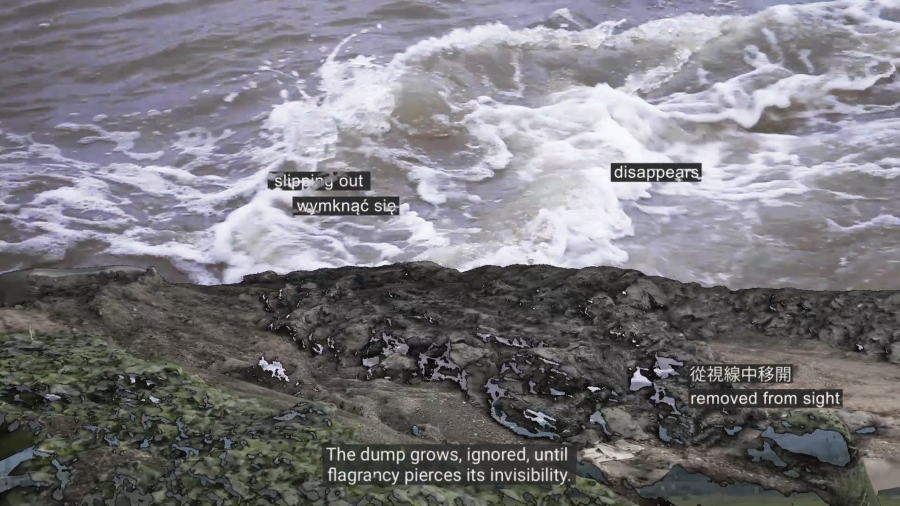
Unilaterally, across time, waste disappears, slipping out of, or being removed from, sight. The dump grows, ignored, until flagrancy pierces its invisibility.
Collapse the processes of material production, distribution and disposal, and time itself collapses. Materials which are fabricated, stored and used acquire an afterlife as waste. Resurrected, they take on or become new energy. Spatial, economic, temporal processes fold into each other like so many feathers on a wing.
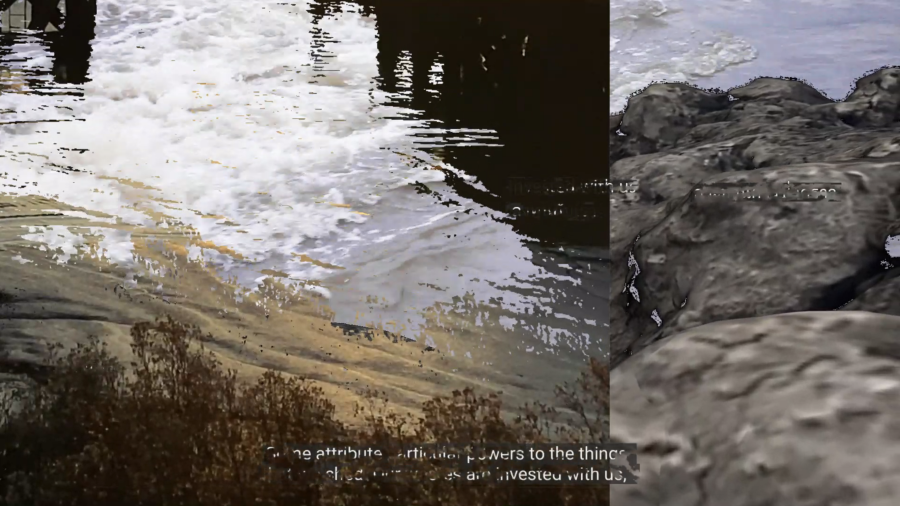
Some attribute particular powers to the things that we shed. Our wastes are invested with us, and if not properly disposed of or safely destroyed, could be used to have power over us.
Digital wastes we shed become data. The trails we lay online become maps for others to navigate by – through those spaces, into our own desires. Alone, we have little power to control, repurpose or permanently destroy these effects and these objects, intangible though they may be.
Trapped in rare minerals, information becomes defunct in broken and obsolete hardware. Atop vast fields where their being mixes with hospital waste, food scraps and other gross material, they will never again know agency. They were too early, they were never complete.
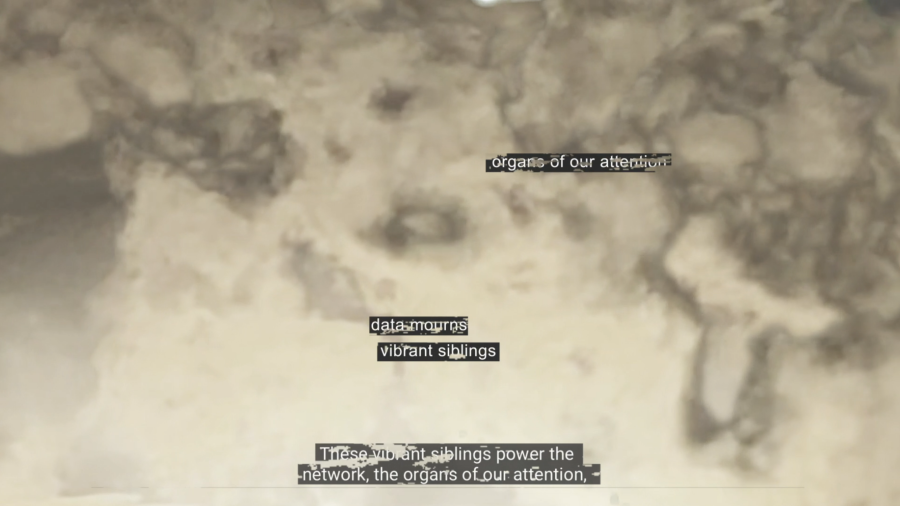
Contemporary data mourns its living-dead elders. These vibrant siblings power the network, the organs of our attention, the tools of our consumption. Though but the shadows of our heel, they determine the placement of our feet.
Cast-offs that augur the future, their galvanising spark lays a smothering fog, a suffocating mantle over the world that quiets the birds and sets the land aflame.
|
|
|
|
|
|
|
|
|
|
|
|
|
|
|
|
|